Buy bild24.eu ?
We are moving the project
bild24.eu .
Are you interested in purchasing the domain
bild24.eu ?
domain@kv-gmbh.de · 0541-91531010
Buy bild24.eu ?
What does isometry mean in art?
Isometry in art refers to the use of geometric shapes and forms that maintain their size and shape regardless of their position or orientation in space. This technique creates a sense of balance, harmony, and stability in the artwork. Isometric art often features precise, straight lines and angles, and is commonly used in architectural drawings, technical illustrations, and graphic design to convey a sense of accuracy and order. **
How is a standardized isometry correctly drawn?
A standardized isometry is correctly drawn by following specific guidelines. First, ensure that all three axes (x, y, z) are drawn at 120-degree angles to each other. Next, draw the object or shape in question with accurate proportions and angles, making sure to maintain the 120-degree relationship between the axes. Finally, label the axes and any important points or dimensions to clearly communicate the isometric view. By following these steps, a standardized isometry can be accurately and effectively drawn. **

Similar search terms for Isometry
Top-Angebote
Products related to Isometry:
-
Bronzhaus Signed Original Artwork By Fisher Wild Horse Bronze Sculpture Figurine Statue DecorCondition: This sculpture is in perfect condition Bronze Dimensions with Marble Base: Height 9 inches X Width 13 inches Marble Dimensions: Diameter 9 inches Height without base:8 inches Weight:11 LBS Inventory:14YDW2726141 Original or Reproduction:…338,49 $*Shipping: 0,00 $Secure redirect to the provider
-
Textured Watercolour Teacups Wall Art / Print with Gold Frame - 40cm x 50cm Wood, Canvas, MetalThis Textured Watercolour Teacups Wall Art with Gold Frame 40cm x 50cm is a beautiful, colourful vintage style wall decor choice, ideal for fans of colourful finishes and textured displays. Made of wood, glass and paper, this wall picture has a blue, white and orange colour with a textured watercolour finish. A lovely wall print for placement in an office, hallway, library or living room space. A great choice for those with vintage, eclectic or farmhouse inspired interior spaces. A lovely gift for friends and family! Part of a large collection of Wall Art in a wide array of sizes, colours and finishes. Want to see more items like this? Browne our Home Accessories Category for more options.16,95 £*Shipping: 4,95 £Secure redirect to the provider
-
Bronzhaus 100 Percent Solid Bronze Fortuna Roman Of Fortune Statue Hot Cast Signed Artwork DecorCondition: This sculpture is in perfect condition Bronze Dimensions with Marble Base: Height 14 inches X Width 4.5 inches Marble Dimensions:4.5 inches X 4 inches Height without base:13 inches Weight:8 LBS Inventory:78STE2404287 Original or...252,99 $*Shipping: 0,00 $Secure redirect to the provider
-
Ashley Monochrome Canvas with Black FrameLevel up your home with the captivating Ashley Monochrome Canvas Art. Encased in a sleek black frame, this canvas narrates a visual symphony. The landscape motif, rendered in monochrome finesse, radiates modern elegance. Its bold strokes and subtle shades converge, creating a timeless masterpiece. Dimensions: W80 x D4 x H60cm89,10 £*Shipping: 4,99 £Secure redirect to the provider


-
What is an isometry with non-orthogonal corners?
An isometry with non-orthogonal corners is a transformation that preserves distances and angles, but the corners of the shape are not at right angles to each other. This means that the shape is still congruent to its original form after the transformation, but the angles at the corners are not 90 degrees. Isometries with non-orthogonal corners can include rotations, reflections, translations, and glide reflections. These transformations are important in geometry and can be used to study the properties of shapes and figures. **
-
What is an isometry with non-orthogonal vertices?
An isometry with non-orthogonal vertices is a transformation that preserves distances and angles between points, but the vertices are not at right angles to each other. This means that the shape is still congruent to its original form, but the angles between the edges are not necessarily 90 degrees. Isometries with non-orthogonal vertices can include translations, rotations, reflections, and glide reflections. These transformations are important in geometry and can help us understand the properties of shapes in different orientations. **
-
What is the difference between axonometry and isometry?
Axonometry and isometry are both methods used in technical and engineering drawing to represent three-dimensional objects on a two-dimensional surface. The main difference between the two is that axonometry is a type of parallel projection, where all the lines of the object remain parallel in the drawing, while isometry is a specific type of axonometric projection where the object is represented with equal foreshortening along all three axes. In other words, isometry maintains the same scale in all three dimensions, while axonometry in general does not. **
-
Is the task for isometry with 3 board projections correct?
Yes, the task for isometry with 3 board projections is correct. Isometry refers to a transformation that preserves the distance between points, and using 3 board projections can help to accurately capture the spatial relationships and distances between points in a three-dimensional space. By using multiple board projections, it is possible to ensure that the isometry is accurately represented in the transformation process. **

Can you stretch a canvas on an already stretched canvas frame?
Yes, it is possible to stretch a canvas on an already stretched canvas frame. This process is known as re-stretching and involves removing the existing canvas from the frame and replacing it with a new canvas. It is a common practice for artists who want to reuse a frame for a new artwork or for conservators who need to replace a damaged canvas. However, it is important to ensure that the frame is in good condition and suitable for re-stretching before attempting this process. **
Does a canvas fit in this frame?
To determine if a canvas fits in a frame, you need to measure the dimensions of both the canvas and the frame. If the canvas is smaller than the frame, it may not fit properly and could shift around. If the canvas is larger than the frame, it may not fit at all. It's important to ensure that the canvas and frame are compatible in size to achieve a proper fit. **
Top-Angebote
Products related to Isometry:
-
Bronzhaus Ram Head 3-D Painting Canvas Classic Artwork Metal Sculpture Figurine Home DecorApplication: Great inspirational art for wall decor: Perfect choice for wall decor such as living room, bedroom, bathroom, dinning room, hallway, nurseries, coffee house, condo house, hotels, inn, restaurant and other spaces of home, office, business,…299,99 $*Shipping: 0,00 $Secure redirect to the provider
-
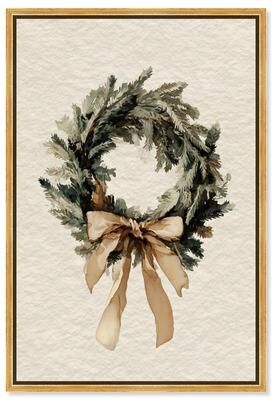
Doorway Delight Christmas Wall Decor Canvas Print by Art RemedyRevitalize any space with Art Remedy's carefully curated collection of canvas prints. Each giclee print is a unique masterpiece, utilizing premium fade-resistant inks to ensure rich colors and sharp details, and arrives ready to hang.161,99 $*Shipping: 0,00 $Secure redirect to the provider
-
Bronzhaus Signed Original Artwork By Fisher Wild Horse Bronze Sculpture Figurine Statue DecorCondition: This sculpture is in perfect condition Bronze Dimensions with Marble Base: Height 9 inches X Width 13 inches Marble Dimensions: Diameter 9 inches Height without base:8 inches Weight:11 LBS Inventory:14YDW2726141 Original or Reproduction:…338,49 $*Shipping: 0,00 $Secure redirect to the provider
-
Textured Watercolour Teacups Wall Art / Print with Gold Frame - 40cm x 50cm Wood, Canvas, MetalThis Textured Watercolour Teacups Wall Art with Gold Frame 40cm x 50cm is a beautiful, colourful vintage style wall decor choice, ideal for fans of colourful finishes and textured displays. Made of wood, glass and paper, this wall picture has a blue, white and orange colour with a textured watercolour finish. A lovely wall print for placement in an office, hallway, library or living room space. A great choice for those with vintage, eclectic or farmhouse inspired interior spaces. A lovely gift for friends and family! Part of a large collection of Wall Art in a wide array of sizes, colours and finishes. Want to see more items like this? Browne our Home Accessories Category for more options.16,95 £*Shipping: 4,95 £Secure redirect to the provider
-
What does isometry mean in art?
Isometry in art refers to the use of geometric shapes and forms that maintain their size and shape regardless of their position or orientation in space. This technique creates a sense of balance, harmony, and stability in the artwork. Isometric art often features precise, straight lines and angles, and is commonly used in architectural drawings, technical illustrations, and graphic design to convey a sense of accuracy and order. **
-
How is a standardized isometry correctly drawn?
A standardized isometry is correctly drawn by following specific guidelines. First, ensure that all three axes (x, y, z) are drawn at 120-degree angles to each other. Next, draw the object or shape in question with accurate proportions and angles, making sure to maintain the 120-degree relationship between the axes. Finally, label the axes and any important points or dimensions to clearly communicate the isometric view. By following these steps, a standardized isometry can be accurately and effectively drawn. **
-
What is an isometry with non-orthogonal corners?
An isometry with non-orthogonal corners is a transformation that preserves distances and angles, but the corners of the shape are not at right angles to each other. This means that the shape is still congruent to its original form after the transformation, but the angles at the corners are not 90 degrees. Isometries with non-orthogonal corners can include rotations, reflections, translations, and glide reflections. These transformations are important in geometry and can be used to study the properties of shapes and figures. **
-
What is an isometry with non-orthogonal vertices?
An isometry with non-orthogonal vertices is a transformation that preserves distances and angles between points, but the vertices are not at right angles to each other. This means that the shape is still congruent to its original form, but the angles between the edges are not necessarily 90 degrees. Isometries with non-orthogonal vertices can include translations, rotations, reflections, and glide reflections. These transformations are important in geometry and can help us understand the properties of shapes in different orientations. **
Similar search terms for Isometry
-
Bronzhaus 100 Percent Solid Bronze Fortuna Roman Of Fortune Statue Hot Cast Signed Artwork DecorCondition: This sculpture is in perfect condition Bronze Dimensions with Marble Base: Height 14 inches X Width 4.5 inches Marble Dimensions:4.5 inches X 4 inches Height without base:13 inches Weight:8 LBS Inventory:78STE2404287 Original or...252,99 $*Shipping: 0,00 $Secure redirect to the provider
-
Ashley Monochrome Canvas with Black FrameLevel up your home with the captivating Ashley Monochrome Canvas Art. Encased in a sleek black frame, this canvas narrates a visual symphony. The landscape motif, rendered in monochrome finesse, radiates modern elegance. Its bold strokes and subtle shades converge, creating a timeless masterpiece. Dimensions: W80 x D4 x H60cm89,10 £*Shipping: 4,99 £Secure redirect to the provider
-
Doorway Delight Christmas Wall Decor Canvas Print by Art RemedyRevitalize any space with Art Remedy's carefully curated collection of canvas prints. Each giclee print is a unique masterpiece, utilizing premium fade-resistant inks to ensure rich colors and sharp details, and arrives ready to hang.251,49 $*Shipping: 0,00 $Secure redirect to the provider
-
What is the difference between axonometry and isometry?
Axonometry and isometry are both methods used in technical and engineering drawing to represent three-dimensional objects on a two-dimensional surface. The main difference between the two is that axonometry is a type of parallel projection, where all the lines of the object remain parallel in the drawing, while isometry is a specific type of axonometric projection where the object is represented with equal foreshortening along all three axes. In other words, isometry maintains the same scale in all three dimensions, while axonometry in general does not. **
-
Is the task for isometry with 3 board projections correct?
Yes, the task for isometry with 3 board projections is correct. Isometry refers to a transformation that preserves the distance between points, and using 3 board projections can help to accurately capture the spatial relationships and distances between points in a three-dimensional space. By using multiple board projections, it is possible to ensure that the isometry is accurately represented in the transformation process. **
-
Can you stretch a canvas on an already stretched canvas frame?
Yes, it is possible to stretch a canvas on an already stretched canvas frame. This process is known as re-stretching and involves removing the existing canvas from the frame and replacing it with a new canvas. It is a common practice for artists who want to reuse a frame for a new artwork or for conservators who need to replace a damaged canvas. However, it is important to ensure that the frame is in good condition and suitable for re-stretching before attempting this process. **
-
Does a canvas fit in this frame?
To determine if a canvas fits in a frame, you need to measure the dimensions of both the canvas and the frame. If the canvas is smaller than the frame, it may not fit properly and could shift around. If the canvas is larger than the frame, it may not fit at all. It's important to ensure that the canvas and frame are compatible in size to achieve a proper fit. **
* All prices are inclusive of VAT and, if applicable, plus shipping costs. The offer information is based on the details provided by the respective shop and is updated through automated processes. Real-time updates do not occur, so deviations can occur in individual cases. ** Note: Parts of this content were created by AI.